‘Raising Lobsters’: How OpenClaw Became China’s Hottest AI
AI personal assistant OpenClaw is surging in popularity across China as tech firms race to launch rival products and individual users seek professional installation help.
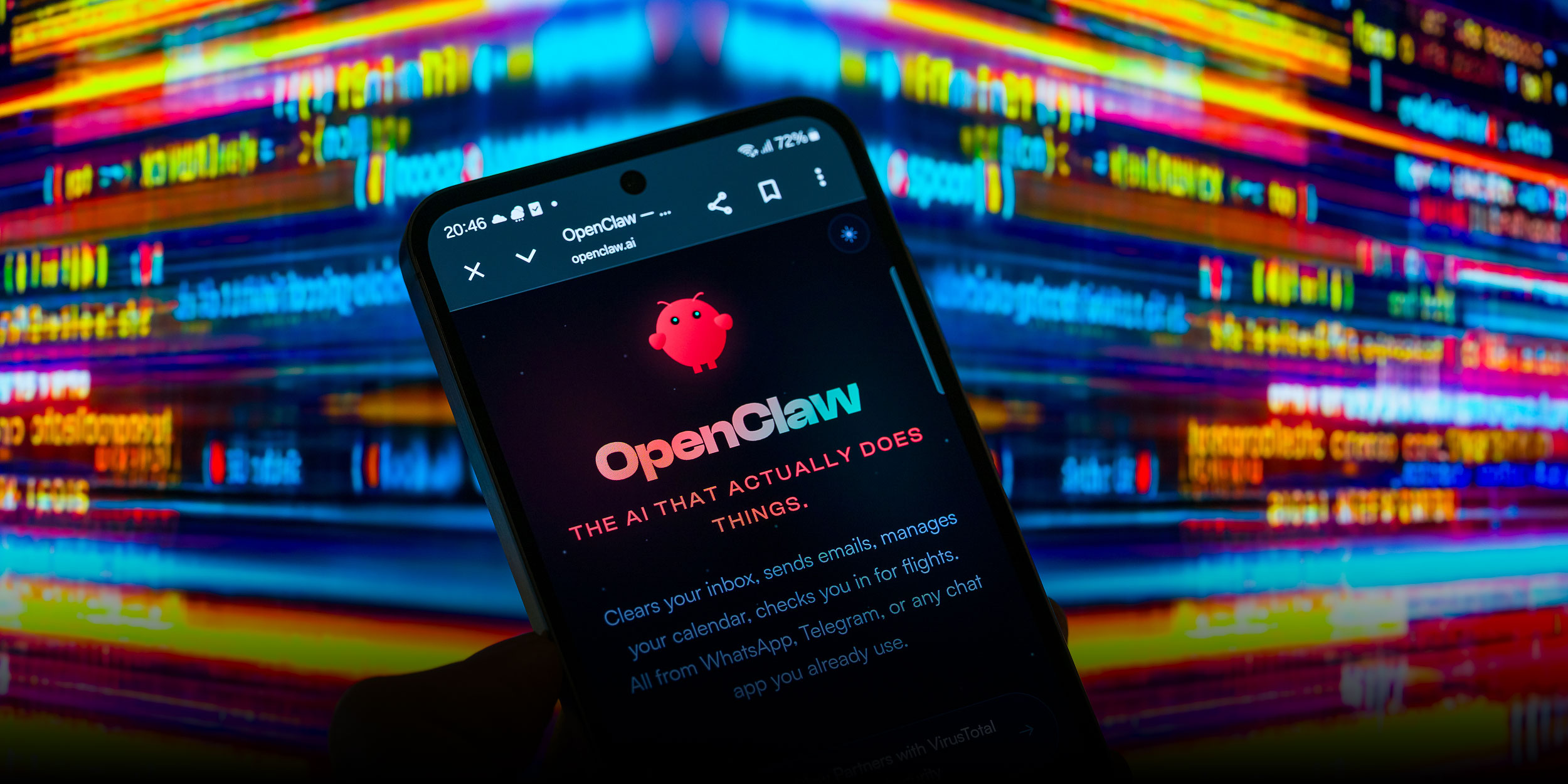
The open-source AI agent first went viral on the Chinese internet last week, with netizens coining the term “raising lobsters,” or yang longxia, to refer to training and using the tool, owing to its lobster logo.
OpenClaw, created by Austrian developer Peter Steinberger, serves as an autonomous digital assistant rather than a prompt-driven large language model (LLM). Launched worldwide last November, the agent has in just a few months amassed over 250,000 stars — representing saves and interest from users — on web-based software collaboration platform GitHub, making it the most-starred project on the platform.
But unlike browser-based AI tools like DeepSeek or ChatGPT, OpenClaw requires a more technical setup, making it less accessible to general users.
This complexity has helped fuel a booming market for paid installation services in China. Service typically includes setup, debugging, and basic user guidance, with prices ranging from 100 yuan ($14) for remote tech support to 1,500 yuan ($218) for in-person services. Some service providers claim to have earned as much as 260,000 yuan in just a few days.
Installation services commonly target e-commerce merchants aiming to automate product listings and rival product tracking, media teams looking for help selecting topics and editing content, and finance and data analysts.
Chinese tech firms are capitalizing on the trend too. On Monday, Tencent launched an OpenClaw-like product called WorkBuddy, while ByteDance rolled out ArkClaw, a ready-to-use, cloud-based version of OpenClaw. Smartphone manufacturer Xiaomi also began small-scale testing of its own miclaw service last week.
OpenClaw marks a key leap in AI from simply “responding to questions” to planning and executing tasks, and has the potential to reshape productivity, according to Jiang Han, a senior researcher at the Beijing-based think tank Pangoal.
However, this autonomy not only comes with a higher barrier for entry but also increased data privacy and security risks, Jiang said. “The AI can get stuck in loops, make mistakes, or even cause data loss,” he told Sixth Tone.
In February, China’s Ministry of Industry and Information Technology warned that, when left in its default settings or improperly configured, OpenClaw can be easily exploited, potentially leading to cyberattacks and data leaks.
Jiang also worries about the cost of using OpenClaw. “Although the framework itself is open-source and free, running it consumes a significant number of AI tokens and often requires purchasing additional licenses,” he said, referring to the credits required to query LLMs — whose cost is usually borne by the user — and the paid software licenses some integrated tools require. He added that these factors mean that, for now, the agent remains more of a toy for tech geeks than a tool for the general public.
The hype surrounding OpenClaw reflects a broader surge of interest in AI in China. The country’s AI industry is expected to exceed 10 trillion yuan ($1.4 trillion) by 2030, according to data from the National Development and Reform Commission.
This week, local governments in the southern tech hub of Shenzhen and the eastern cities of Wuxi and Changshu issued policies to support the use of OpenClaw, offering free deployment zones, subsidies up to 1 million yuan for key contributions, and annual awards for innovative AI projects.
Editor: Marianne Gunnarsson.
(Header image: Jonathan Raa/NurPhoto via Getty/VCG)